
AEO is just SEO 2.0. Here's what actually changed

Alex AndersonFounder, Cultre
- PublishedNov 6, 2026
- Read6 min
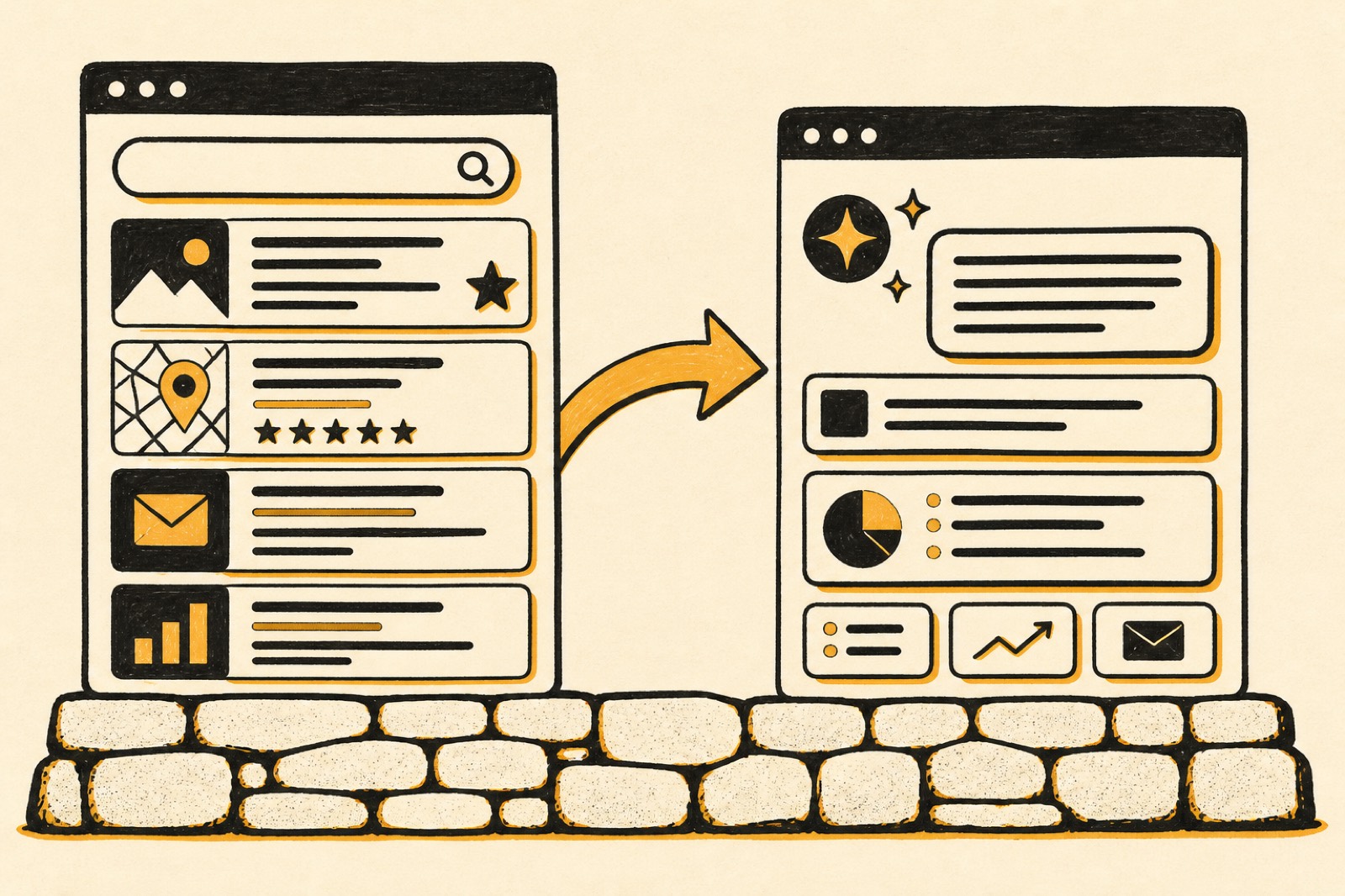
Yes, I think AEO is mostly SEO 2.0. The foundation is the same: crawlable pages, clear answers, real expertise and a reputation that other sites vouch for. What changed is the front door. Buyers now get an answer instead of ten links, so your content has to be quotable on its own and your name has to show up in the places AI engines trust.
Why I keep saying "2.0"
Picture a founder scrolling LinkedIn on a Sunday night. Three posts in a row announce that SEO is dead, each one selling a course to replace it. By Monday they're wondering whether they need an "AEO agency" on top of their SEO person.
I get the anxiety. But version numbers mean something in software, and I think they explain this better than any hype cycle. A 2.0 release keeps the core and changes the interface. Your data is still there. Your logins still work. The buttons moved, a few new features showed up, and some old habits stopped paying off.
AEO is that kind of release: the same engine with a new dashboard on top.
The foundation didn't move
I find Google's own guidance reassuring here. Its page on AI features and your website says there are no additional requirements to appear in AI Overviews or AI Mode, and no special schema you need to add. The checklist it gives is the same one SEO people have been handing out for years: let crawlers in, link your pages together, keep important content in text, make sure your structured data matches what's on the page.
Think of it like a house (you've heard me use this one before). SEO poured the foundation and framed the walls. AEO is a remodel of the front of the house: a new porch, better signs, a door that opens straight into the room people actually came to see. Nobody remodels a porch on a cracked slab. If the foundation is weak, the remodel just gives you a nicer view of the crack.
So if your site is slow, thin or hard to crawl, the AEO move is the SEO move. Fix that first.
What actually changed
The plumbing is the same. What changed is who the reader is and what they do once they arrive.
The reader is often a machine summarizing for a human. In classic search, a person scanned a results page and picked a link. In an AI answer, a model reads a handful of sources, lifts the clearest sentences and writes a reply. Your page is competing to be quoted, not just clicked.
The answer comes before the visit. A lot of buyers will learn your name, your price range and your main use case without ever landing on your site. That's uncomfortable if you measure everything in sessions. It's great if your name is the one in the answer.
Reputation counts for more, and it's spread out. AI engines lean on what other people say about you: review sites, comparison articles, forums, directories. Links were always a reputation signal. Now the mentions matter even when there's no link attached. I went deep on that in why ChatGPT recommends your competitor.
The keep, change, add table
When a team asks me what to do differently, I sort the work into three columns. It keeps everyone from throwing out what already works.
| Keep (SEO 1.0, still true) | Change (same job, new shape) | Add (new in 2.0) |
|---|---|---|
| Fast, crawlable pages with clean internal links | Intros: lead with a 40–70 word answer instead of a warm-up | Track whether AI engines name you for your key questions |
| Pages that match real search intent | Headings: write them as the questions buyers actually ask | Earn mentions on review sites, comparisons and communities |
| Expertise from people who've done the work | FAQ sections: written for follow-up prompts, not padding | An AI referral channel in your analytics |
| Structured data that matches the visible page | Comparison pages: honest, specific, easy to quote | Consistent facts about you everywhere (pricing, category, who it's for) |
| Earning links from sites people trust | Content length: let the question decide, cut the filler |
The left column is the longest, because most of AEO is doing SEO well, then reshaping it so a summary can lift the best parts cleanly.
What I'd stop doing
Some SEO 1.0 habits do lose their value in 2.0. They weren't great before, either.
- Writing 300 words before the answer. The "recipe blog" intro was always annoying. Now it's also invisible, because the model skips to whatever actually answers the question.
- One page per keyword variant. Five near-identical pages for "best X", "top X" and "X software" split your authority and give an AI five weak sources instead of one strong one.
- Chasing tricks. Every few months someone announces a secret file or tag that makes ChatGPT love you. I took an honest look at the current favorite in is llms.txt worth it. Short version: nice to have, not a strategy.
If a tactic only works because the reader can't tell it's a tactic, an AI model is going to be even less impressed than the human was.
So do you need a separate AEO agency?
Usually not. If your SEO partner understands the "change" and "add" columns, you have an AEO partner. If they're still writing 2,000-word posts to hit a keyword density target, the problem isn't that you lack an AEO specialist. It's that your SEO is stuck in 1.0.
Here's a quick test I'd run on any partner, including us. Ask them three questions:
- "How would you know if ChatGPT or Perplexity names us for our main category?"
- "Which third-party sites do you think AI engines trust in our space?"
- "Show me a page you rewrote so its first paragraph answers the question on its own."
Specific answers mean they're already doing 2.0 work. Vague ones mean you'd be paying for the label.
Where to start this week
If you only have a few hours, take your five most important pages and do the "change" column on them: put a direct answer at the top, turn the headings into real questions and add a short FAQ. Then type your main buying question into ChatGPT and see who it names. That gives you a baseline, and a little motivation.
If you want the full playbook, start with how to get your SaaS recommended by ChatGPT. If you want the plain-English definition to send your team, what AEO means for B2B software is the one to forward. And if you'd rather have someone look at your foundation with you, that's the kind of work we do.
Here's to the people who keep pouring good foundations while everyone else argues about the porch. 🍻
Questions people ask next.
Is AEO the same as SEO?
Mostly, yes. Google says there are no extra requirements to appear in its AI features beyond normal SEO best practices. What changes is the format: content needs to answer questions directly and be easy for a model to quote, and your reputation on other sites matters more.
Is SEO dead because of AI search?
No. AI answers are built from web pages, and the pages that get used are usually the ones that already do SEO well: crawlable, clear, expert and trusted by other sites. What's fading is low-effort SEO written to game rankings rather than answer people.
What's the difference between AEO and GEO?
They're two names for roughly the same thing. AEO (answer engine optimization) and GEO (generative engine optimization) both mean making your content and brand show up inside AI-generated answers. Pick whichever term your team uses and focus on the work.
Do I need special schema markup for AI Overviews?
Google says no special schema is required. Structured data still helps search engines understand your pages, as long as it matches what's visible on the page. Treat it as good hygiene, not a shortcut.
Founder of Cultre in Redding, California. Fifteen years building marketing for software companies and local businesses, and the one who'll be on your call.
Alex